
-
×
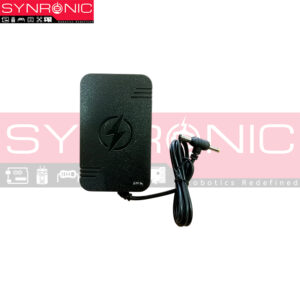 Adaptor 5v 2A
1 × ₹165.00
Adaptor 5v 2A
1 × ₹165.00
Subtotal: ₹165.00

The DT830D Digital Multimeter is a versatile and affordable tool for measuring various electrical parameters. Here are some key features:
Key Features
Display: 4.75 cm LCD screen for clear readings.
Functions: Measures DC voltage, AC voltage, DC current, resistance, diode, buzzer, battery, and temperature.
Operating Voltage: 3.3V to 5V.
Current Measurement: Up to 200mA with the red test lead connected to the OADC jack.
Temperature Measurement: Connects the temperature probe to the V 0 mA jack or COM jack.
Size: Compact and lightweight, easy to carry around.
Applications
Basic Electrical Testing: Ideal for continuity checks, voltage measurements, and resistance testing.
DIY Projects: Suitable for hobbyists and students working on electronics projects.
Home and Automotive Use: Useful for troubleshooting electrical issues in household appliances and vehicles.
₹165.00 exc. GST
The DT830D Digital Multimeter is a highly versatile and affordable tool used to measure various electrical parameters. Here’s a detailed overview:
Key Features
Display:
Type: 4.75 cm LCD screen
Digits: 3½-digit display (1999 count) for clear and accurate readings.
Functions:
DC Voltage Measurement: Range from 200mV to 1000V.
AC Voltage Measurement: Range from 200V to 750V.
DC Current Measurement: Range from 200μA to 10A.
Resistance Measurement: Range from 200Ω to 2000kΩ.
Diode Test: Measures forward voltage drop in diodes.
Continuity Test: With built-in buzzer for checking circuit continuity.
Battery Test: Measures battery voltage to check their condition.
Transistor hFE Test: For measuring the DC gain of transistors.
Temperature Measurement: With a thermocouple probe for measuring temperature.
Power: Operates on a 9V battery.
Dimensions: Compact size, typically around 138 x 69 x 31 mm.
Weight: Lightweight, approximately 150g (excluding battery).
Technical Specifications
Measurement Type Range Accuracy
DC Voltage 200mV, 2V, 20V, 200V, 1000V ±0.5%
AC Voltage 200V, 750V ±1.2%
DC Current 200μA, 2mA, 20mA, 200mA, 10A ±1.0%
Resistance 200Ω, 2kΩ, 20kΩ, 200kΩ, 2000kΩ ±1.0%
Diode Test Yes N/A
Continuity Test Yes N/A
Transistor hFE Test Yes N/A
Battery Test 1.5V, 9V ±1.5%
Temperature Measurement -20°C to 1000°C ±1.0%
Applications
Basic Electrical Testing:
Ideal for measuring voltage, current, and resistance in various electrical circuits.
Suitable for checking the integrity of wires, connections, and electrical components.
DIY Projects:
Essential for hobbyists and students working on electronics projects.
Used for troubleshooting and verifying circuits in custom builds.
Home and Automotive Use:
Useful for diagnosing electrical issues in household appliances and automotive circuits.
Can be used for testing batteries, fuses, and other electrical components in vehicles.
Educational Purposes:
An excellent tool for teaching and learning basic electrical and electronics concepts.
Widely used in labs and classrooms for hands-on experimentation and learning.
Setup and Usage
Powering the Multimeter:
Install a 9V battery into the battery compartment.
Ensure the battery is fresh and properly seated to avoid inaccurate readings.
Selecting the Function and Range:
Use the rotary switch to select the desired measurement function (e.g., DC voltage, AC voltage, resistance).
Set the range appropriately for the measurement you intend to take.
If unsure about the range, start with the highest range and work your way down to avoid damaging the multimeter.
Connecting the Probes:
Insert the black probe into the COM (common) jack.
Insert the red probe into the appropriate jack based on the measurement type (e.g., VΩmA for voltage and resistance, 10A for high current measurements).
Taking Measurements:
Place the probes on the points where you want to take the measurement.
For voltage measurements, connect the probes across the component or circuit.
For current measurements, connect the multimeter in series with the circuit.
For resistance measurements, ensure the circuit is powered off and discharge any capacitors before measuring.
Reading the Display:
Observe the value displayed on the LCD screen.
Take note of the unit (e.g., V, A, Ω) to understand the measurement correctly.
Safety Precautions
Proper Range Selection: Always start with the highest range and work down to prevent damaging the multimeter.
Correct Probe Placement: Ensure probes are properly connected to avoid short circuits or inaccurate readings.
Handle with Care: Avoid dropping or subjecting the multimeter to harsh conditions to maintain accuracy.
Discharge Capacitors: Before measuring resistance or continuity, ensure capacitors in the circuit are fully discharged to avoid electric shocks.
Final Thoughts
The DT830D Digital Multimeter is a reliable and versatile tool that caters to a wide range of electrical measurement needs. Its user-friendly design, comprehensive measurement capabilities, and affordability make it an excellent choice for both beginners and experienced users. Whether you’re working on DIY projects, troubleshooting household appliances, or learning about electronics, the DT830D provides accurate and dependable measurements.
The 100 x 40 mm DC Motor Wheel is a versatile component designed for robotics and DIY projects.
Here are its key features:
Dimensions: 100 mm diameter x 40 mm width
Shaft Compatibility: 6 mm shaft, commonly used with DC geared motors
Material: Durable plastic with a high-traction rubber tire
Applications: Suitable for RC vehicles, robots, and various DIY projects
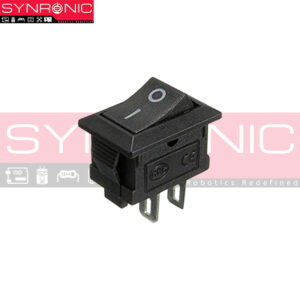
A 2-pin SPST (Single Pole Single Throw) on-off switch is a simple and commonly used switch in electronic circuits. It has two terminals and is used to control a single circuit, either turning it on or off1. Here are some key features:
Simple ON/OFF control: Ideal for straightforward on/off applications.
Compact design: Suitable for PCBs (Printed Circuit Boards) and various electronic projects.
Versatile usage: Can be used in household appliances, DIY electronics, and hobbyist projects.
An 18650 battery holder for two cells is a convenient accessory for securely holding two 18650 lithium-ion batteries, commonly used in various electronic projects and devices.
Here are some key features:
Compatibility: Designed specifically for 18650 lithium-ion cells, which typically have a nominal voltage of 3.7V each.
Material: Often made from durable materials like ABS plastic and metal, ensuring both safety and longevity.
Polarity Identification: Clearly marked with positive (+) and negative (-) terminals to ensure proper orientation and connection.
Spring Retention: Equipped with a spring mechanism to securely hold the batteries in place, preventing movement and ensuring a stable connection.
Dimensions: Typically around 77.1mm x 20.6mm x 14.9mm, making it compact and easy to integrate into various projects.
Mounting Options: Some holders come with mounting holes or clips for easy installation on PCBs or other surfaces.
Series Connection: Can be used to connect the two cells in series, providing a combined voltage of 7.4V.
Applications
DIY Projects: Ideal for custom electronics projects, such as building battery packs, portable chargers, and DIY gadgets.
Robotics: Used in robotics to power motors, sensors, and other components.
Portable Devices: Suitable for powering portable devices like flashlights, radios, and other handheld electronics.
Educational Kits: Great for educational kits and projects, helping students learn about battery technology and electronics.
Small Production Runs: Suitable for small-scale production of custom electronics, allowing for rapid iteration and testing.
The Soldron 25W Soldering Iron is a reliable and versatile tool designed for various soldering applications. Here are its key features:



There are no reviews yet.