


BC549 Transistor Biploar-NPN (Pack of 5 Pieces)
The BC549 transistor is a general-purpose NPN bipolar junction transistor (BJT) used in a variety of electronic circuits. Here’s a brief overview:
Key Features:
Type: NPN Bipolar Junction Transistor (BJT)
Maximum Collector-Emitter Voltage (Vce): 30V
Collector Current (Ic): 100mA
Current Gain (hFE): 110 to 800
Package: TO-92
Applications:
Amplifiers: Used in small-signal amplification circuits.
Switching: Suitable for switching small loads.
Audio Processing: Employed in audio preamplification and noise filtering.
The BC549 transistor is valued for its versatility and reliability in various electronic applications.
₹20.00 exc. GST
The BC549 transistor is a general-purpose NPN bipolar junction transistor (BJT) widely used in various electronic circuits for low-power and low-noise applications. Here’s an in-depth look at its features, working principles, and typical uses:
Overview
The BC549 transistor is part of the BC547/BC548/BC549 transistor series, which are known for their versatility and reliability in amplification and switching applications. It is commonly found in audio signal processing and other low-power applications due to its low noise figure.
Key Features:
Type: NPN Bipolar Junction Transistor (BJT)
Maximum Voltage Ratings:
Collector-Emitter Voltage (Vce): 30V
Collector-Base Voltage (Vcbo): 30V
Emitter-Base Voltage (Vebo): 5V
Maximum Collector Current (Ic): 100mA
Power Dissipation (Ptot): 500mW
Current Gain (hFE): 110 to 800
Low Noise: Suitable for audio and low-level signal amplification
Package: TO-92
Pin Configuration:
The BC549 transistor has three pins:
Collector (C): Connected to the load.
Base (B): Controls the transistor; a small current here controls a larger current between the collector and emitter.
Emitter (E): Connected to ground or the common terminal in circuits.
Working Principle:
The BC549 operates in three different regions based on the base current:
Cutoff Region: Both the collector and emitter currents are zero because the base-emitter junction is not forward biased. The transistor behaves like an open switch.
Active Region: The transistor operates as an amplifier. A small current applied to the base controls a much larger current flowing from collector to emitter.
Saturation Region: The transistor acts as a closed switch with maximum current flow from collector to emitter, as the base-emitter junction is fully forward biased.
Applications:
Audio Amplifiers: Used in various amplifier configurations, including common emitter, common collector, and common base amplifiers. Particularly suitable for audio signal amplification due to its low noise.
Switching Applications: Acts as a switch in digital and analog circuits, turning on or off larger currents using a small base current.
Signal Processing: Suitable for low-level signal amplification and processing.
Oscillators: Used in oscillator circuits to generate periodic signals.
General Purpose: Utilized in various low-power and low-noise applications.
Advantages:
High Current Gain: The high hFE range allows significant amplification with low base current.
Low Noise: Provides clean amplification of audio signals, making it ideal for audio applications.
Versatility: Can be used in a wide range of applications, from switching to signal processing.
Compact Size: The TO-92 package is small and easy to handle in various circuit designs.
Affordable and Widely Available: Cost-effective and easy to find in most electronic component stores.
Implementation Tips:
Proper Biasing: Ensure proper biasing of the base-emitter junction to operate the transistor in the desired region (cutoff, active, or saturation).
Heat Management: Though it has a low power dissipation, consider heat management in high-current applications.
Correct Pin Identification: Double-check the pin configuration to avoid incorrect connections, which could damage the transistor.
Coupling Capacitors: In amplifier circuits, use coupling capacitors to block DC components and pass only the AC signal.
The BC549 transistor is a versatile and reliable component in electronics, valued for its excellent performance in low-power and low-noise applications. Whether you’re building amplifiers, switches, or signal processing circuits, the BC549 provides a dependable solution for your needs.
Based on 0 reviews
Be the first to review “BC549 Transistor Biploar-NPN (Pack of 5 Pieces)”
Related products
-
Electronic Components, Others
LCD 16×2 Display Yellow
The 16×2 LCD with a yellow backlight is a great choice for projects needing clear visibility.
Here are its key features:Display Size: 16 columns, 2 rows
Backlight: Yellow, enhancing readability
I2C Interface: Simplifies wiring and reduces pin usage
Power Supply: Operates at 5V
Contrast Adjustment: Typically includes a potentiometer for optimal readability
It’s perfect for Arduino-based projects and other microcontroller applications.
SKU: n/a -
Electronic Components
Sugarcube Relay 12v
A miniature, high-efficiency electromagnetic relay designed for low-voltage control applications. Operates at 12V DC with a switching capacity of up to 7A, ideal for driving motors, lights, and other moderate-load devices. Features a space-saving sugarcube form factor, quick response time, and reliable isolation between control and load circuits.
SKU: n/a -
Electronic Components
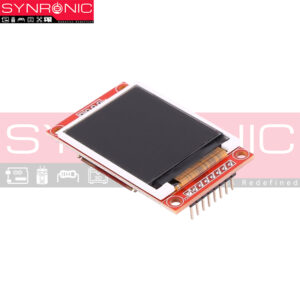
TFT Display SPI Interface 1.44 inch
Compact 1.44‑inch TFT color display(RGB 65K) with 128×128 resolution and 4 wire SPI interface with ST7735S driver, ideal for Arduino, ESP32, Raspberry Pi, and DIY electronics projects. Delivers bright, full‑color visuals in a small form factor, perfect for portable devices, wearables, and embedded systems. Easy to integrate with microcontrollers for graphics, text, and sensor data visualization. VCC:3.3v to 5v
SKU: n/a -
Electronic Components
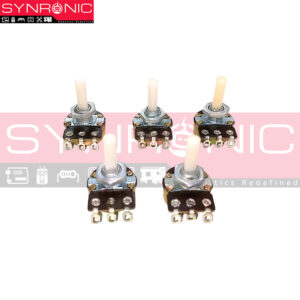
Potentiometer with Knob 1K (Pack of 5 pcs)
1kΩ plastic shaft potentiometers with knobs is ideal for electronics projects, DIY kits, and circuit prototyping. This comes in a pack of 5 pieces and are designed for smooth and precise resistance adjustment, these potentiometers ensure reliable performance and easy installation. Perfect for hobbyists, students, and professionals, they can be used in audio equipment, robotics, and various electronic circuits. With durable construction and user-friendly design, these adjustable resistors provide consistent control and long-lasting functionality, making them a must-have component for any electronics toolkit.”
SKU: n/a


There are no reviews yet.