

ESC 30A Yellow With Connectors Soldered
Out of stock
Electronic Speed Controllers (ESC) like the 30A models are essential components in RC aircraft and drone systems. They regulate the power supplied to the electric motors, ensuring smooth and efficient performance.
Here are some general features of 30A ESCs:
Current Rating: 30A continuous, with a burst capacity of around 40A.
Voltage Range: Typically supports 2-4S LiPo batteries.
BEC Output: Often includes a Battery Eliminator Circuit, usually providing 5V output.
Compatibility: Works well with a variety of brushless motors.
Programming Options: Some models offer programmability for setting parameters like timing, throttle range, etc.
Protection: Usually includes features like overheat protection, low voltage cut-off, and signal loss protection.
₹350.00 exc. GST
Out of stock
A 30A ESC is an essential component in many RC (remote control) applications, particularly in drones, airplanes, boats, and cars. It controls the speed of the brushless motors, ensuring smooth and efficient performance.
Features
Current Rating: Provides a continuous current supply of 30 amps, with a burst capacity of up to 40 amps for short durations. This allows it to handle high-power situations without overheating.
Voltage Compatibility: Supports 2 to 4S LiPo batteries (7.4V to 14.8V), making it versatile for various power setups.
BEC (Battery Eliminator Circuit): Typically includes a BEC that provides 5V and around 2A output to power the receiver and other onboard electronics, eliminating the need for a separate power source.
Heat Dissipation: Equipped with heat sinks or thermal pads to efficiently dissipate heat, ensuring reliable performance even under heavy loads.
Firmware: Often comes with pre-loaded firmware like SimonK or BLHeli, which are optimized for fast response times and stable motor control. Many ESCs allow firmware updates via USB or other interfaces.
Protection Features: Includes various protection mechanisms like overheat protection, low voltage cut-off, signal loss protection, and short circuit protection to prevent damage to the ESC and connected components.
Connectors: Usually features pre-soldered connectors for easy installation. Common connectors include male Deans (T) connectors for the battery side and female 3.5mm gold connectors for the motor side.
Programmability: Some 30A ESCs are programmable, allowing users to customize settings such as timing, throttle response, and brake features using a programming card or software.
Size and Weight: Designed to be compact and lightweight to fit easily into various RC models without adding significant weight.
Applications
Drones and Multirotors: Provides precise and responsive control for quadcopters and other multirotor drones.
RC Airplanes: Ensures smooth and efficient power delivery for electric RC planes.
RC Boats and Cars: Suitable for high-performance speed control in RC boats and cars.
Installation and Use
Installation: Easily connects to brushless motors and battery packs using pre-soldered connectors. Users should ensure proper wiring to avoid reverse polarity or short circuits.
Calibration: May require throttle calibration during initial setup to match the ESC’s range with the transmitter’s throttle range.
Maintenance: Regularly check for any signs of overheating, wear, or damage. Keeping the ESC clean and ensuring good ventilation will enhance its lifespan.
Based on 0 reviews
Be the first to review “ESC 30A Yellow With Connectors Soldered”
Related products
-
Batteries And Chargers, Drone Spare Parts And Accessories
11.1v 2200Mah 3s Lipo Battery High Fly Premium Grade
 Batteries And Chargers, Drone Spare Parts And Accessories
11.1v 2200Mah 3s Lipo Battery High Fly Premium Grade
High Fly brand presents 11.1V 2200mAh capacity premium quality lipo batteries. As the name suggest it delivers high-performance and is specially designed for drones, RC vehicles, and robotics applications.
Light in weight and compact in size, with a 35C discharge rate, it delivers stable and efficient power, ensuring high responsiveness and reliability. Built with premium-grade cells, offering enhanced durability, low internal resistance, and extended cycle life.
Equipped with high-quality XT60 connectors for secure, low-resistance connections, ensuring minimal power loss. Features durable, high-purity silicon wires for efficient current flow and superior flexibility, reducing overheating risks. Engineered for consistent performance in high-demand applications, making it a trusted choice for professionals and enthusiasts.
SKU: n/a -
Drone Spare Parts And Accessories
Propeller 8045 (8 x 4.5inch) Pair
Engineered for performance, the 8045 propeller set features a 8-inch length and 4.5-inch pitch, ideal for multi-rotor drones and DIY robotics. Made from durable ABS, these lightweight blades offer excellent lift, aerodynamic efficiency, and stability. Each set includes one clockwise and one counter-clockwise propeller, along with shaft adapters for versatile motor compatibility.
SKU: n/a -
Drone Spare Parts And Accessories, Motors And Motor Drivers
BLDC Motor A2212 1000Kv
The A2212 1000KV BLDC Brushless DC Motor is a popular choice for drone enthusiasts and hobbyists. Here are its key features:
Key Features
Motor KV: 1000, meaning it spins 1000 times per minute (RPM) per volt applied.Current Capacity: Rated from 6- 12A
Shaft Diameter: 3.17 mm, compatible with standard prop adapters.
Efficiency Current: Operates efficiently between 4-10A.
Bi-Directional: Can rotate in both clockwise (CW) and counter-clockwise (CCW) directions by swapping the polarity of the input supply.
Material: Steel design for durability and lightweight for various quadcopter and hexacopter frames.
Package Includes: Motor, prop adapter, motor holder (X-type), and screws.
Applications
Drone Motors: Ideal for quadcopters, hexacopters, and other multirotor drones.Educational Projects: Great for learning about motor control and drone building.
Hobby Projects: Perfect for custom drone builds and modifications.
SKU: n/a -
Drone Spare Parts And Accessories
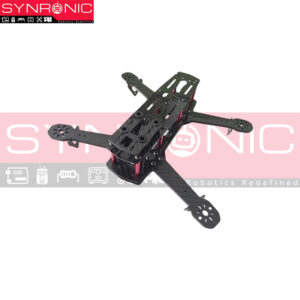
Q250 Carbon Fiber Frame
The Q250 carbon fiber frame is a durable and lightweight option for FPV racing and aerial photography drones:
Here are it`s key features:
Material: High-quality carbon fiberWheelbase: 250 mm
Weight: Approximately 160 g
Arm Thickness: 4 mm
Camera Mounting: Vibration-free bracket
Color-Coded Arms: For easy orientation
Applications
FPV RacingVideo Recording
Educational Projects
DIY Hobby Projects
SKU: n/a


There are no reviews yet.